
For the past few years, women have been sold a fantasy of control.
The “clean girl” aesthetic dominated our feeds. Their slicked-back buns, capsule wardrobes, and 6AM Pilates were merely an illusion of control. Wellness became a personality trait and 10-step skin care routines became a ritual. Minimalism overtook people’s aesthetics from their Instagram feeds to their decluttered flats. Even our emotions felt like shades of beige.
But 2026 smells different. Literally.
A wave of disco inspired scents has flooded the luxury market. Discothèque Fragrances is the name of the brand that came up with the ingenious marketing idea of perfumes inspired by the hedonistic nightlife, each fragrance’s name is a tongue-in-cheek reference to frivolous nighttime innuendos. From names like BODY HEAT, LOLA AT COAT CHECK and condom-like packaging, this is not an isolated marketing trend, this is a reflection of our culture.
And Gen Z, long accused of killing nightlife, seems to be resurrecting it.
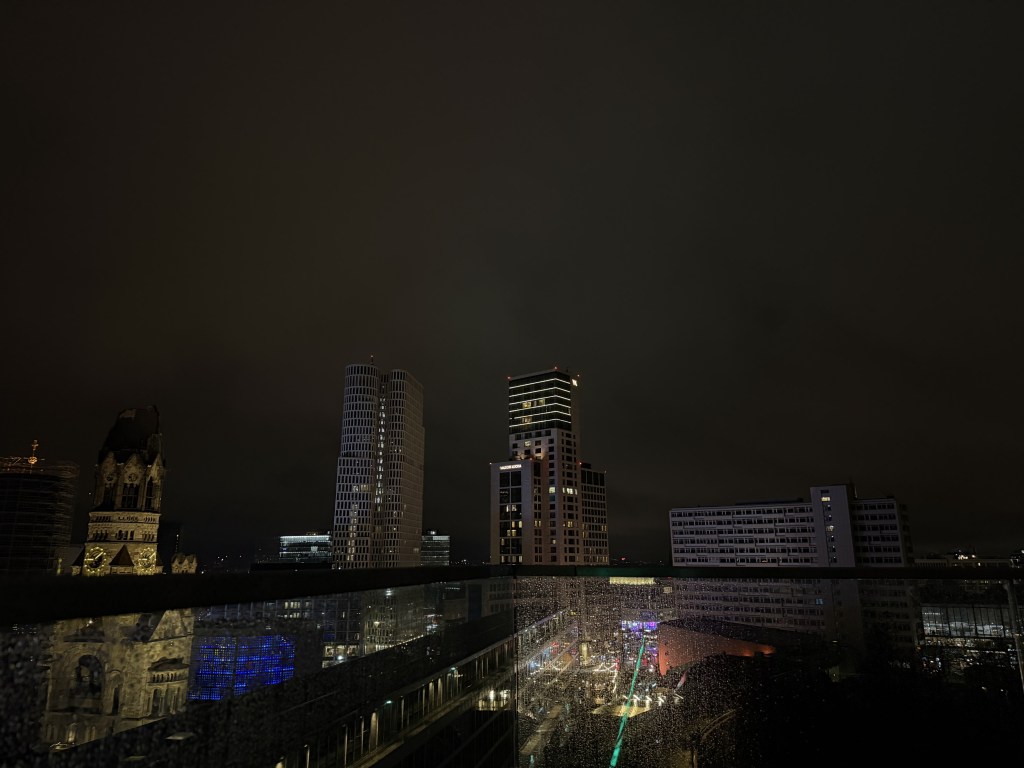
Harry Styles’ forthcoming album Kiss All the Time. Disco, Occasionally, further solidifies that as a society we are shifting towards messiness and bringing back club culture. The latest album is a shift from his usual pop genre and makes a clear pivot toward electronic dance, disco and synth-pop, from what we can gather from his latest single “Aperture,” which has been theorised to be inspired by Berlin’s underground club scene. This new Harry Styles aesthetic leans on nightlife, community and disco, all things messy.
Charli XCX’s brat era culminated in a wedding that felt less bridalcore and more chaotic club kid, cementing messy glamour as culturally dominant. This further exacerbates the collective messy movement that brat had culturally when it first trended.
Disco evokes liberation, sweat, and the radical joy of collective movement. Brya Sheridan, journalist and assistant editor at PhotoBook Magazine, associates disco with “the 70s… soul and funk! A time that would’ve been awesome to live in, it just seems like people didn’t care so much to let loose and were always down to boogie.”
After years of pandemic isolation and confinement to clean girl ideologies, young people want chaos, in all its glory and the freedom to let loose. They want the chaos of a crowded dance floor.
“I think the pandemic changed people,” Sheridan says. “Young adults were cut off from party culture, so I think people want to be dancing, sweating and hanging around large crowds.”
Across London and other capitals, new nightlife spaces are opening for all kinds of tastes. Politics student and aspiring journalist Hannah Breen, who documents London’s club scene, sees the revival as nuanced, “in Mayfair you have sleazy men and lines of coke, it’s not as polished as it tries to be”. Mayfair nights out are notorious for their pretentious aesthetic and polished looks. “Then you have the east end with its queer raves and dingy pubs it’s messy in a completely different way, but still messy all the same.”
Clubbing culture is messy—no one can deny it— whether you’re into the ‘messy’ or ‘clean girl’ aesthetic no one leaves a night out untarnished. However, the question being posed is has club culture made a comeback?
“There’s definitely a subculture bubbling up — like Charli XCX’s brat, the rise of electronic music, new nightlife spaces popping up, but it’s not a society-wide thing,” she says. “It’s more so a reactionary subculture… one corner of culture actively rebelling.”
Rebelling against what? Increasing political conservatism. Economic pressure. And perhaps most potently, the tyranny of self-optimisation.
“Messy to me means caring less, but in a good way,” Sheridan adds. “Caring less about what people think.”
The messy aesthetic saved on your Pinterest board—smudged eyeliner, unbrushed curls, maximalist apartments— can be read as a direct rejection of the sterile perfection that dominated social feeds. It doesn’t necessarily mean dirty or chaotic. It means unpolished.
Breen puts it more philosophically, “Messiness is honesty, the cracks and contradictions that give character. Without them, life would feel sterile.” That word again, sterile. The clean girl aesthetic, for all its aspirational glow, carried its own pressure. Breen describes it as “a curated fantasy… nobody lives that way all day every day.” Real life doesn’t represent an aesthetic feed.
Yet the divide isn’t absolute. Alison Hernon, editor-in-chief of PhotoBook Magazine, admits she personally enjoys the clean aesthetic. “I love it, I feel very healthy and prefer a natural look for routine,” she says. But as a stylist, she gravitates elsewhere, “I love accessories and adding layers… it’s more fun.”
The new disco revival isn’t naïve. It’s not simply glitter and Mayfair nights. It’s darker, grungier, tinged with Berlin techno and bars that let you smoke inside. It’s coming home at 4am stinking of cigarettes and sweat—a popular fragrance lately.
Nightlife bottled as brands romanticise this lifestyle in vice-coded imagery. From cigarette cartons and testers that resemble condom packaging, nightlife’s mess has always had a shadow. Breen notes that substance use is often over-glamorised in club culture, particularly by pop stars. And the glossy members clubs of Mayfair are hardly moral sanctuaries. “Mess is everywhere because it’s integrally human,” she says.
But perhaps that’s the point. The current embrace of disco and disorder isn’t about destruction; it’s about community and pushing back against hyper-optimised femininity.
Maximalist interiors. Glitter eyeshadow. Sweaty dance floors. Soul-inflected pop.
From the scattered snapshots and unfinished frames, there is a quiet kind of luxury to be found in mess.


Leave a comment