Founded from a Durham University bedroom, The Ellipsis Project is built around a deceptively simple idea: boredom sparks creativity. We speak to founder Oliver Scott about university, entrepreneurship, social media, and why doing nothing might be exactly what we need.
Oliver Scott, founder of The Ellipsis Project, started the brand from his bedroom while studying Business at Durham University. During his first year, Ollie found himself with an abundance of free time outside of classes. With only a handful of lectures each week, there were days when he had little planned. Eventually, boredom began to set in.
Rather than filling that silence with endless scrolling, Ollie began using it as an opportunity to explore his interests. “I think that the silence is quite powerful,” he says.
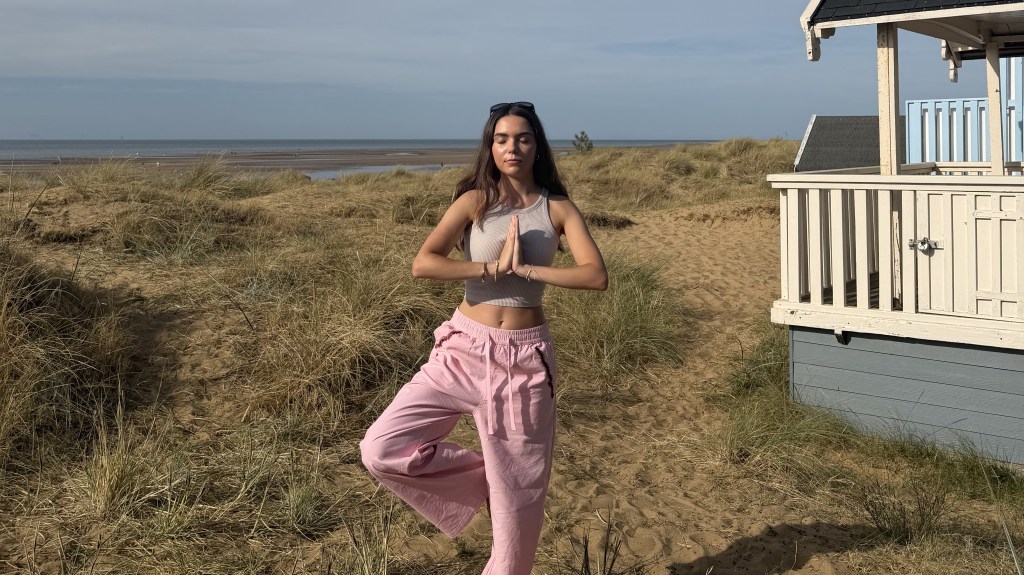
That period of boredom became the foundation for The Ellipsis Project, a clothing brand centred around the belief that boredom can create space for creativity. Combining his long-standing entrepreneurial spirit with his interest in fashion, Ollie began developing what would eventually become a linen trouser brand designed to encourage people to get outside, have adventures and pursue the projects that excite them.
“I think through that, you kind of break out of that embarrassment stage of thinking that it may not work,” he explains. “Once you’ve tried something before, I think that kind of gave me the confidence.”
Now heading into his third and final year at Durham, Ollie is looking beyond the university market as The Ellipsis Project prepares to expand into new industries and demographics.
We spoke to him about starting a fashion brand while at university, finding confidence through entrepreneurship and why sometimes, doing absolutely nothing can be the most productive thing you do.
What inspired you to launch The Ellipsis Project, and what was the moment you realised it should become a real brand?
The whole concept behind the brand is that it was created out of boredom. I was in my first year at Durham University and had around three lectures a week. There were days when I had literally nothing to do.
Within that boredom, I found that it’s actually quite a good thing to be bored sometimes and have these periods of silence. Through that, you can connect your interests. For me, I connected my interest in entrepreneurship with my interest in fashion.
I’ve always been quite entrepreneurial. When I was younger, I had a car-washing and valeting business in my local village, as well as a few other things I tried to start. I think through that silence, I connected those two interests and started developing a clothing brand.
At first, it was just called Ellipsis. I later changed it to The Ellipsis Project as I understood more about why it had happened in the first place and what had inspired me, this period of silence.
As for when I realised it was going to become a real brand, it was probably during the development process, when I first got the sample in my hands. Seeing that it was a great product made me think, this could genuinely become a solid brand.
Many people wait until after university to launch a business. What gave you the confidence to start while still studying?
One, I didn’t have much going on. I think people on engineering courses, for example, have much busier schedules, and they might find it harder. It’s definitely possible, but it’s quite a lot.
I think what gave me the confidence was probably my prior experiences. I did a lot of car washing in my local village. I was basically cold-calling people, knocking on their doors and trying to pitch why they should let me wash their car rather than go somewhere else.
I think through that, you kind of break out of that embarrassment stage of thinking, what if it doesn’t work? Once you’ve tried something before, I think that gives you confidence.
I’d done things in the past, and I’d also done some social media work, managing a few people’s accounts. That gave me confidence in the online space and helped me understand, to some extent, what I was doing when it came to engaging an audience.
You’re balancing building a fashion brand alongside studying Business at Durham University. How have those two experiences influenced each other?
I definitely think it’s difficult to manage both, but only at certain times. When I had my final essays to complete, that was probably quite tough. You kind of have to prioritise one. At one point, I’d prioritise my course, and at another, I’d prioritise my brand. It changes depending on what’s going on.
Honestly, I don’t think my course has developed my business skills that much. I think university is more about theory and learning concepts, but to actually apply them, you need prior experience. You need to actually start something rather than just learning from a textbook.
I think that’s the only way you get proper business experience.
What do you think sets The Ellipsis Project apart in such a competitive fashion landscape?
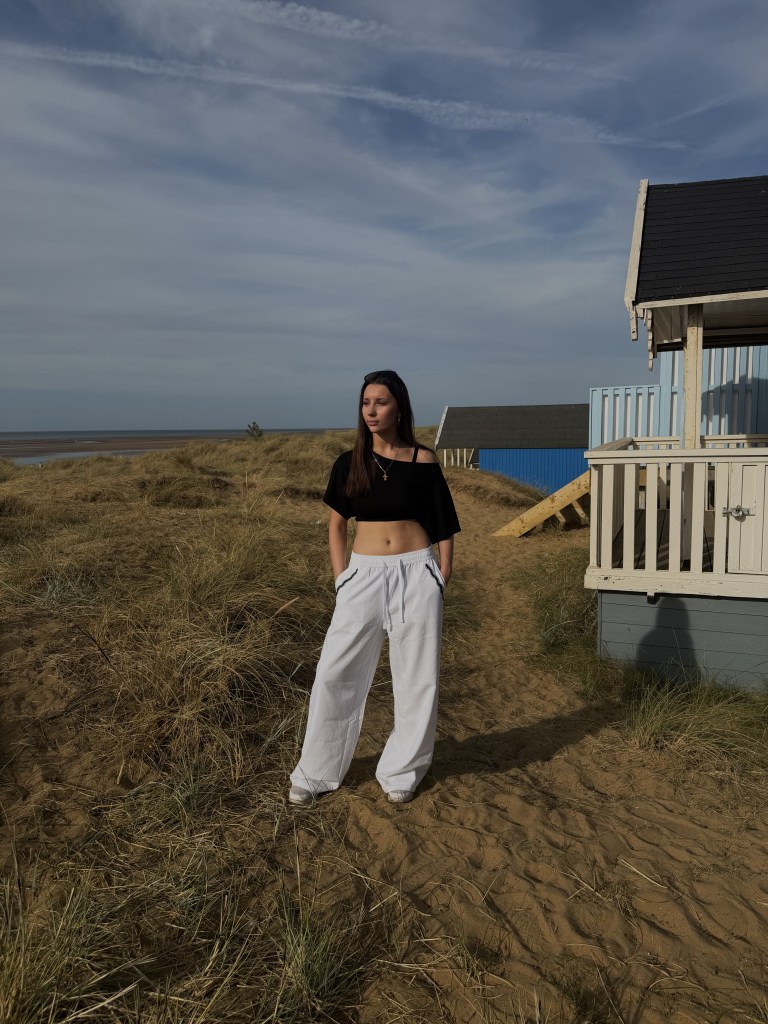
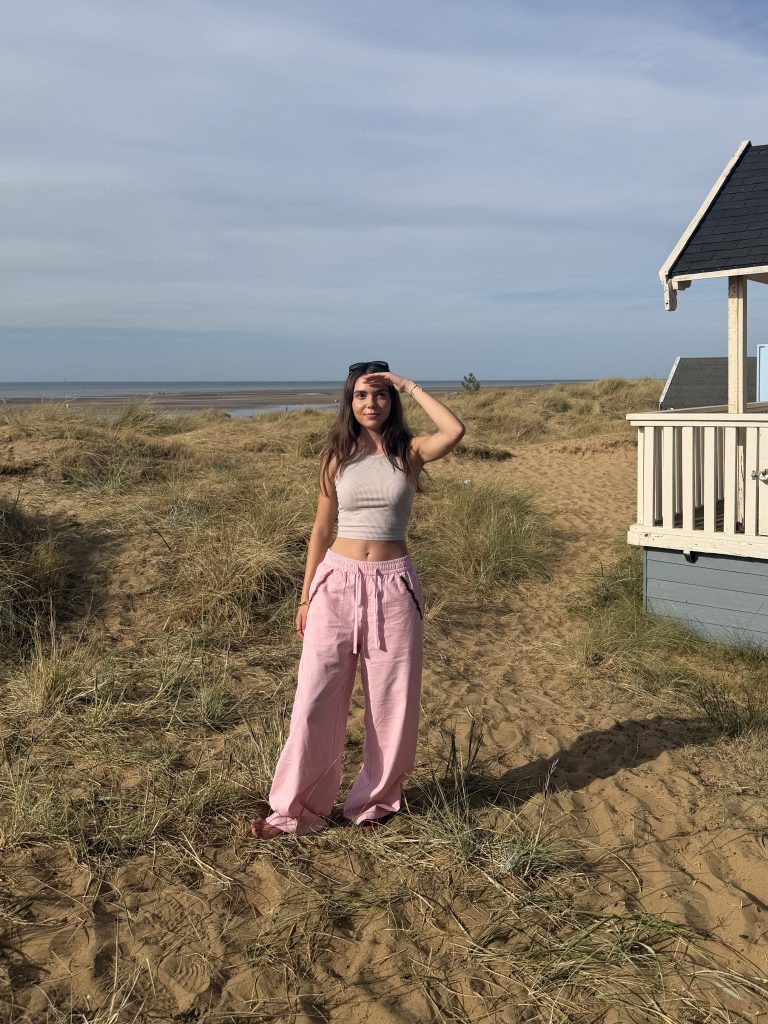
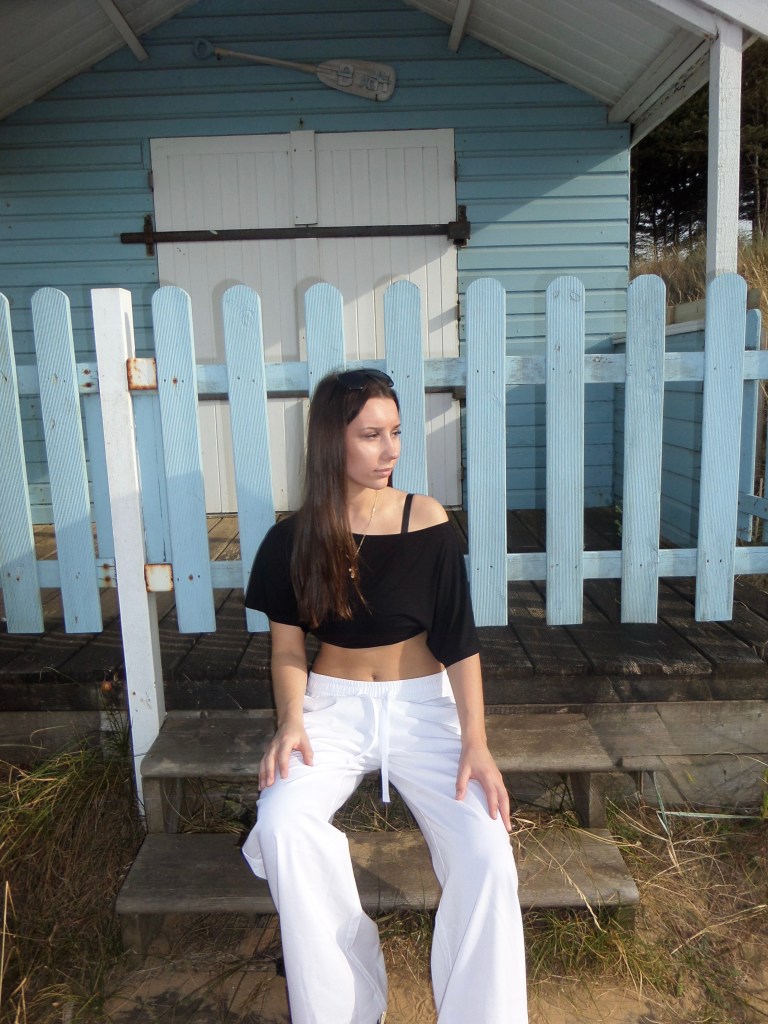
Firstly, the trouser itself. The fit is unique. We spent a lot of time designing a trouser that is versatile in different weather conditions.
It has a slight amount of cotton, so it’s not too cold in the winter, but it’s still breathable in the summer. The cotton also means the trousers don’t crease as easily, which can be a problem with 100 per cent linen trousers.
In terms of comfort, having cotton in the fabric makes them really comfortable to lounge around in. We offer two different fits, which is another competitive edge depending on what you prefer, as well as an array of sizes and colours.
Then there’s the price point. I think they’re one of the most affordable trousers on the market for their quality at the moment.
But the message is the main point. It’s something that we’re going to develop further, but I think the message behind the brand gives the trousers value. It’s a message that isn’t really spoken about a lot, especially because brands are constantly competing for your attention on social media to make money.
If you could summarise your message in one sentence, what would it be?
Boredom sparks creativity.
How do you approach product development, from the first idea through to launch?
I designed the trousers on Canva. I didn’t use any fancy tools. I think Canva is quite a good tool for trying out designs and experimenting with different things.
I used a few mock-up images of linen trousers that I took inspiration from. They were very basic products, and I put my design onto them.
Then I had to browse different suppliers through various sources and try to find a really good one. I took the design to them, got a bunch of samples and tried to find a supplier that could actually produce a product I was proud to sell.
From there, it’s about ordering, maintaining the quality and expanding.
Who is the person you design for? Can you paint a picture of the typical Ellipsis Project customer?
The typical customer at the moment, given that it’s a university brand, is university students. But that doesn’t mean it’s not open to everyone.
I think everyone can connect with the brand message. Everyone experiences boredom, and everyone can have moments where they’re able to explore their creativity.
At the moment, I definitely think the trousers are targeted towards university students, but we’re looking to move into other markets.
What other markets are you aiming to break into?
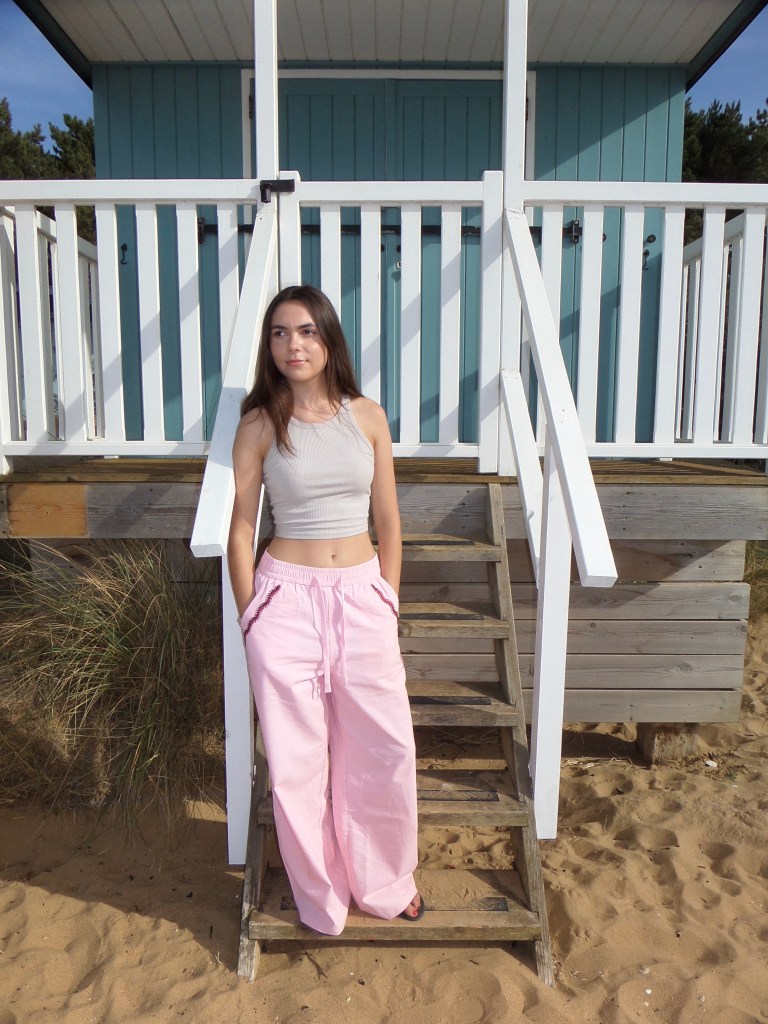
We’re looking at expanding into industries like yoga and trying to position them as a yoga trouser. They have the comfort and flexibility, while the wide fit makes them versatile during sessions.
That’s one industry we’re looking at, but we’re also trying to target different age demographics rather than just university students.
How would you describe the brand’s aesthetic and identity to someone discovering it for the first time?
As an identity, I think it’s surrounded by adventure.
A lot of the videos and snippets I’ve created involve travelling to different countries, such as Sri Lanka and Thailand, or people meeting up in nice places, doing activities and getting off their phones.
That’s what the content is about and how it mirrors the brand image.
The aesthetic is very clean and colourful. In some ways, classy, but not the kind of classy that some people might initially think of. It’s more about elegance and simplicity.
You mentioned having run social media accounts in the past. How has being part of Gen Z influenced the way you’ve built and marketed the brand?
A huge shift I’ve made in the past month has been transitioning to TikTok.
Usually, we were solely on Instagram, and I didn’t really pay much attention to the goldmine we were missing with the viral algorithm TikTok provides.
Over the past few months, after properly analysing our demographic and recognising that a large part of our audience is Gen Z and university-aged, moving towards TikTok has been a big transition in our social media strategy.
How do you go about making content for platforms like TikTok and Instagram?
I edit quite a lot. I use Final Cut Pro for a lot of the short clips and videos that I create.
I also have my own camera for photoshoots, and I edit a lot of the content myself. I do collages, outfit inspiration and things like that.
Which videos would you say have gained the most popularity?
We’ve had some viral TikToks, but especially on Instagram, collaborations with popular university influencers such as Etalie and Daisy, in collaboration with Love Clementine, have created some viral content for us that has really resonated with our audience.
What has been the biggest challenge you’ve faced so far, and how did you overcome it?
There have been a few minor ones. I’d say stock overflow is one thing that anyone looking to start a brand would need to think about.
For example, if you wanted to order 1,000 units, a supplier might say they’re going to give you 1,050, and you have to pay for those additional units because that’s kind of how the fashion industry works.
So, one of the biggest challenges I’ve had to overcome is allowing flexibility in the budget for stock.
In terms of overcoming it, it’s a pretty simple solution: you’re going to have to spend more money or divert money away from other things.
That’s one of the harsh realities of running a business. Sometimes things go wrong, and there are always challenges.
Stock is also a big issue when you have to find places to store everything. When you have a lot of stock sitting in your room, you quickly realise how much space it takes up.
There are definitely some issues that come with running a brand.
Do you have a highlight moment since starting your brand?
One of them was doing my first market and properly having a good day, making around 20 sales. I couldn’t really believe that it had happened. It was kind of a pinch-me moment, which was probably one of the highlights.
More recently, we’ve had a few fashion shows where The Ellipsis Project has had its own walk, which has definitely been another standout moment.
If readers discover The Ellipsis Project through this interview, what do you hope they take away about the brand?
I would say: stop reading this article on your phone and go and sit in a room for 20 minutes and do nothing.
That’s what I would tell people coming across this project for the first time.
In this day and age, people can’t sit with silence, and I think that the silence is quite powerful.


Leave a comment